
United Nations Educational, Scientific and Cultural Organization (UNESCO)

Fairytales have long shaped our perceptions of characters, roles, and societal norms. In many popular stories, wolves are dangerous, stepmothers are evil, princes are charming, and princesses need rescuing. In this committee, delegates will explore the stereotypes embedded in classic fairytales, analyzing how characters like princesses, princes, villains, animals, and other traditional figures often embody narrow and limiting roles. We will examine how these stories have influenced cultural expectations of gender, power, and morality, and debate how modern storytelling can subvert or evolve these stereotypes to reflect more diverse and empowering narratives. Join us to critically evaluate how fairytales continue to affect our views of good versus evil, leadership, and personal identity, while exploring: should classic stories be rewritten for the modern world?
This committee is suitable for beginners as well as those with slight experience of MUN.

Topic
- Stereotypes in Classic Fairytales – Are they helpful in teaching children about the world or harmful in reinforcing beliefs which may not be true?
Student Officers
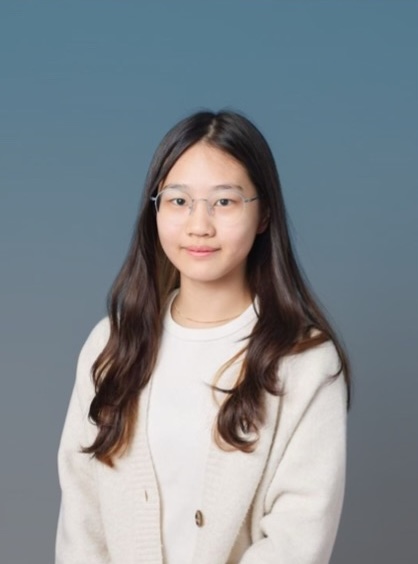
President
Amy Shin
Introduction
Esteemed delegates and fellow chairs.
Hello, I am Amy Shin, and it is my honor to be chairing in UNESCO on the topic of “Stereotypes in classical Fairytales”
This topic was chosen to fit this year’s theme, “What if?”. So, let’s throw the question: “What if characters of the characters in classical stories are stereotypically shaped?” Each and every one of us knows about the big bad wolves, evil stepmothers and stepsisters, and them fighting the beautiful princesses and courageous princes. Is it righteous of us to let princesses always be glorious while stepmothers are constantly a source of evil when it is not always true in rea life? I’m only asking questions because the answers are up to you, the delegates of the conference!
LitMUN was prompted to help beginning MUN students to grow the understanding on MUN procedures, increase awareness on global topics, and most importantly, gain confidence in speaking up. I hope this conference will be the time for delegates to see things in a new perspective and grow interest in MUN itself.
I look forward to seeing you in all at conference.
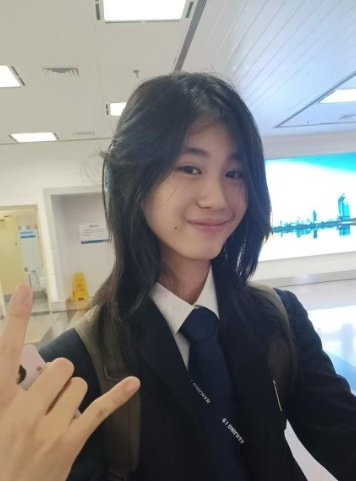
Deputy President
Jana Chen
Introduction
Hey Delegates! I’m Jana Chen, an 8th grader at XIS and your Deputy Chair for the United Nations Educational, Scientific and Cultural Organization. UNESCO was my first committee to be in as a delegate, and will now be my first to chair. What is the definition of growing up? Part of maturity is looking back at the things you were told back then and approaching it on a different and more deeper level. In LitMUN, we explore the roots of the issue in classic literature, and in UNESCO, where the roles of characters are limited into stereotypes, changing how we view the concepts of good and evil, as by understanding our own fantasies within the fictional world, we understand ourselves and the world around us. If you are interested in trying out normal MUN, this is a great opportunity to get better at speaking, as you don’t need a lot of knowledge about politics for LitMUN; all you need is a bit of confidence and new ideas!